
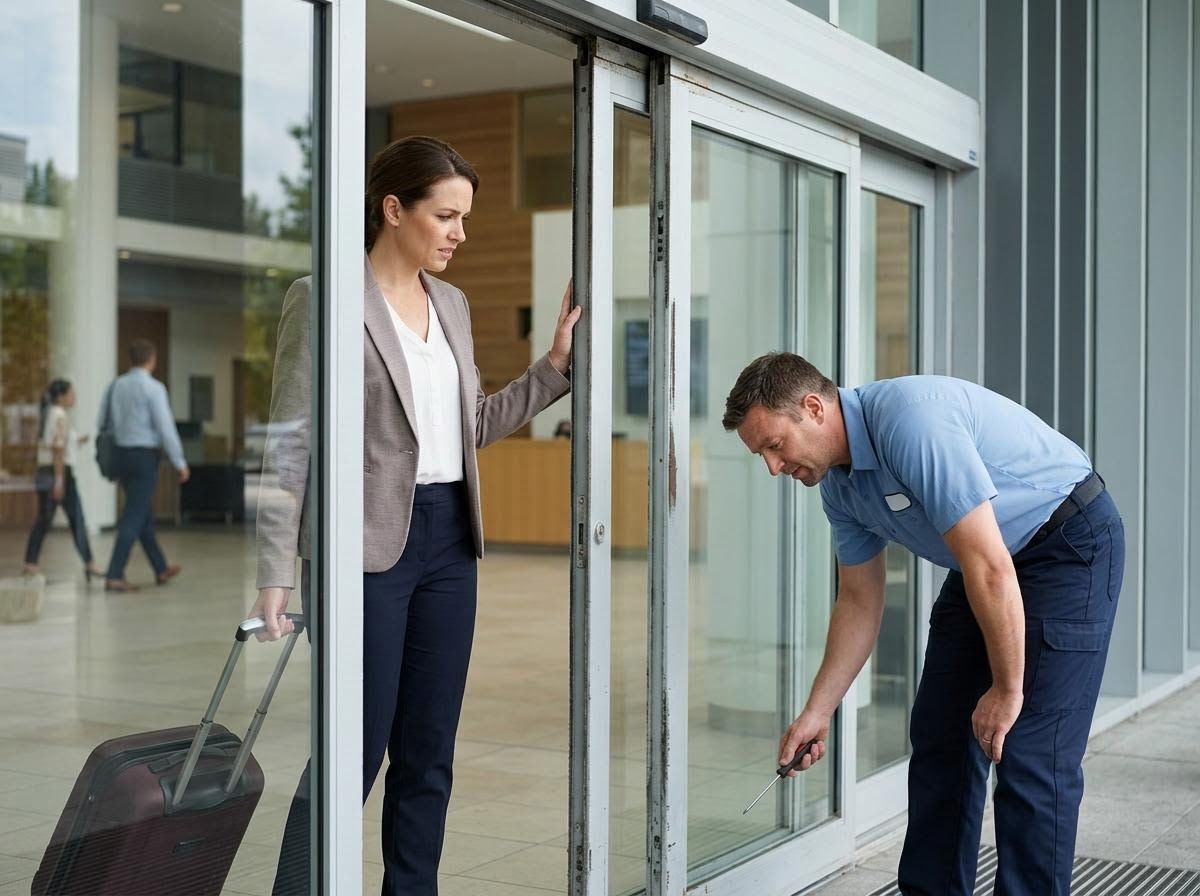
Commercial automatic doors are critical to the smooth operation, security, and aesthetic appeal of many businesses, from retail establishments and healthcare facilities to industrial warehouses. They provide convenience, control traffic flow, and contribute to your business's overall efficiency. However, like any heavily used mechanical system, there comes a point when a commercial automatic door reaches the end of its reliable lifespan. Recognizing these crucial indicators early can save your business from significant headaches, unexpected costs, and potential safety hazards. Automatic Door Specialists understands the pivotal role these systems play in your daily operations and are here to help you identify when it's time for an upgrade.
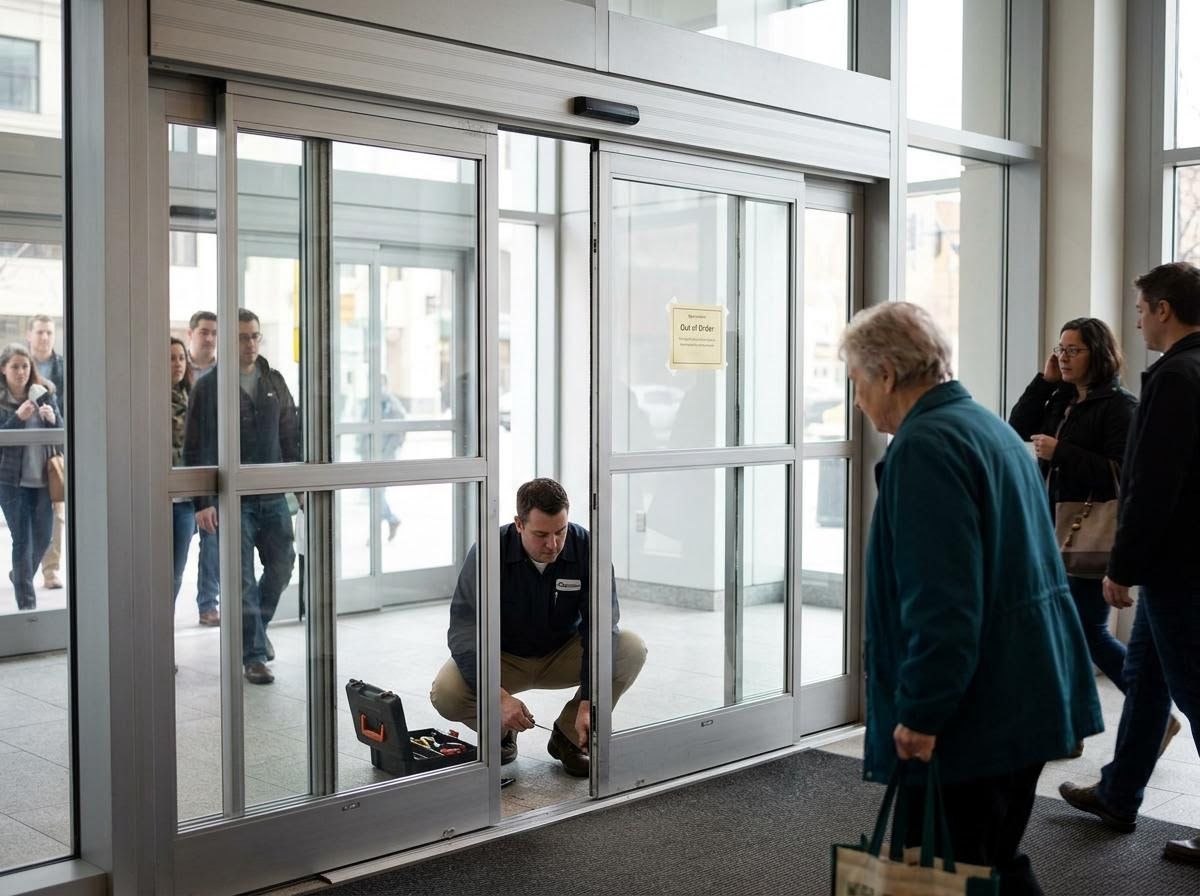
Frequent Malfunctions and Increased Downtime
One of the most obvious signs that your commercial automatic door system is past its prime is its tendency to break down frequently. If your doors are constantly jamming, failing to open or close properly, or requiring repeated service calls, it's a clear red flag. Each malfunction translates directly into operational downtime, which can disrupt business flow, inconvenience customers, and even pose security risks. Beyond the immediate frustration, the cumulative impact of lost productivity and frustrated clientele can significantly outweigh the cost of a new, reliable system.
Soaring Repair Costs and Obsolete Parts
As automatic door systems age, their components wear out. Initially, repairs might be straightforward, but over time, parts can become increasingly difficult to source, especially for older, discontinued models. This scarcity often drives up the cost of replacement parts and labor. If you find that the cost of continuous repairs is approaching or even exceeding a significant percentage of a new door's cost, or if your technicians are struggling to find compatible parts, it's a strong indication that investing in a full replacement is the more financially sound and sustainable solution.
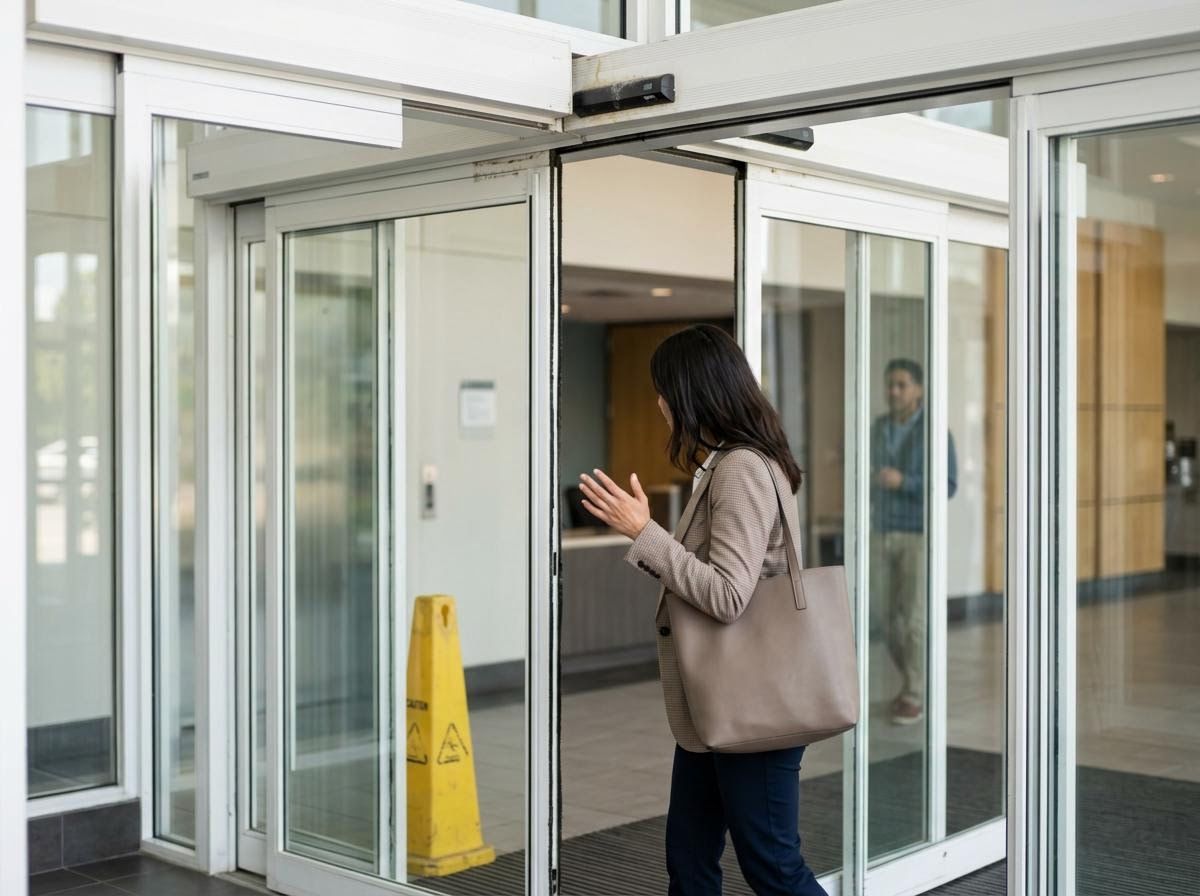
Compromised Safety and Non-Compliance
Safety should always be a top priority for any commercial establishment. An aging or malfunctioning automatic door system can pose serious safety risks to employees, customers, and visitors. Issues like unpredictable opening and closing, faulty safety sensors, or failing emergency stops are unacceptable. Furthermore, building codes and accessibility standards (like ADA compliance) evolve. Older doors may no longer meet current regulations, potentially exposing your business to fines, liability, and a less inclusive environment. Upgrading ensures your premises are safe and fully compliant with all modern standards.
Reduced Operational Efficiency and Energy Loss
Beyond direct malfunctions, an aging automatic door system can subtly drain your resources through reduced efficiency. Old doors might operate slower, impacting traffic flow and throughput. More critically, worn seals, gaps, or inefficient operating mechanisms can lead to significant energy loss. In climates that require consistent temperature control, a compromised door acts like a gaping hole in your building envelope, forcing your HVAC systems to work harder and increasing your utility bills. A new, well-insulated, and efficiently operating door system can contribute substantially to energy savings and overall operational smoothness.
Recognizing these key indicators is crucial for maintaining a safe, efficient, and cost-effective commercial environment. Proactively addressing these issues by considering a replacement can prevent more significant problems down the line, ensuring your business continues to operate smoothly and securely. For a comprehensive assessment of your current commercial automatic door system and to explore modern, efficient replacement options tailored to your needs, contact Automatic Door Specialists to speak with one of our experienced professionals.