
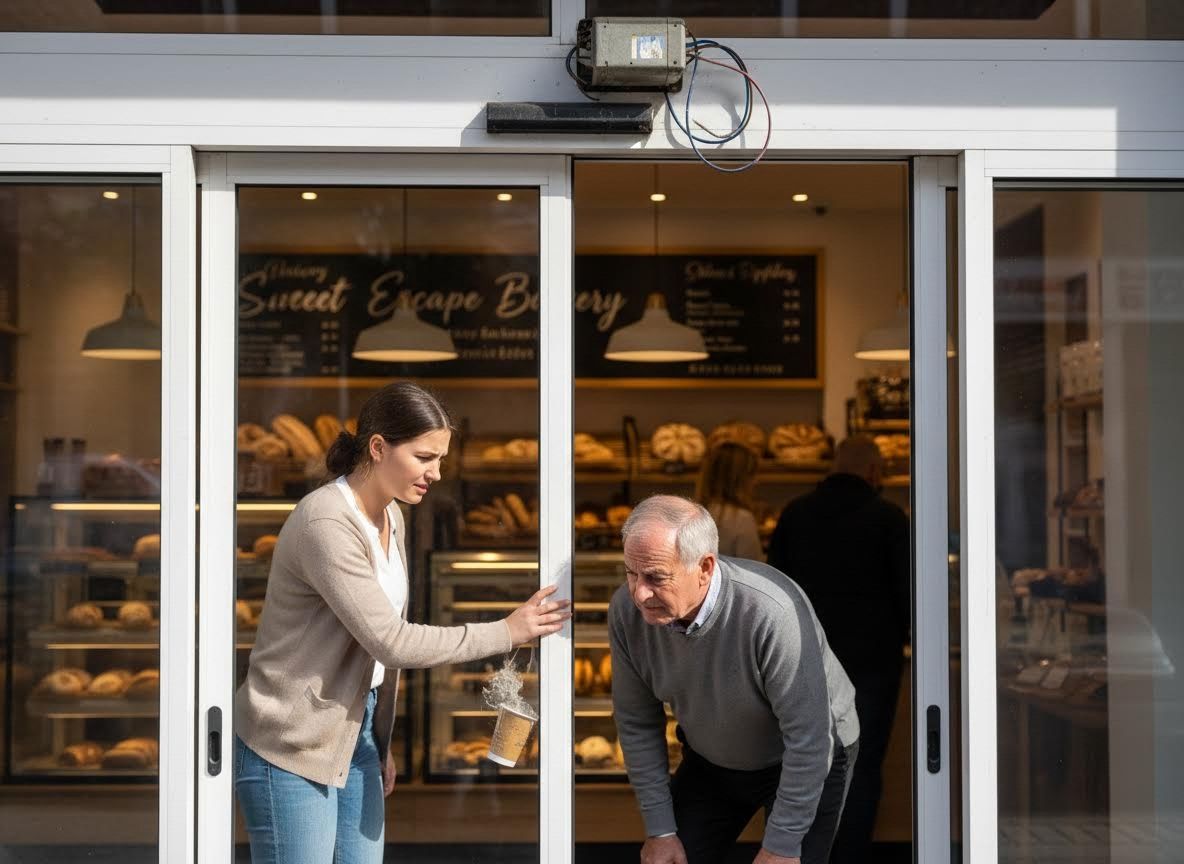
Automatic doors are a cornerstone of modern building accessibility and security, but when they start to stick, they can quickly become a significant inconvenience or even a safety hazard. Understanding the common culprits behind a malfunctioning door can help you address issues promptly and prevent further complications. This guide from Automatic Door Specialists explores a few top reasons why your automatic door might be sticking, offering insights into these frustrating occurrences.
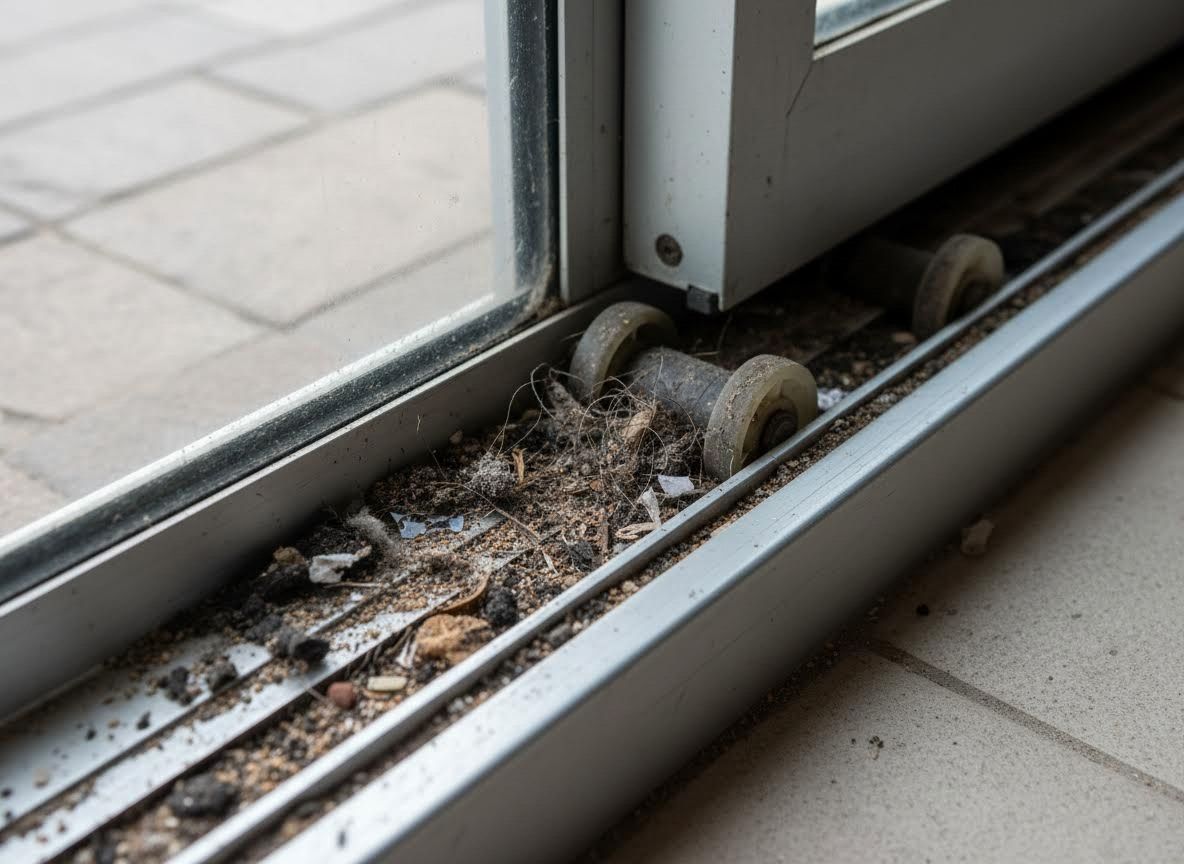
Obstructions and Debris in Tracks
One of the most frequent reasons an automatic door might stick is the presence of obstructions or debris within its operating mechanisms. Over time, dirt, dust, small stones, or even litter can accumulate in the door tracks, rollers, or sensor pathways. This buildup creates friction and physical barriers that prevent the door from gliding smoothly. Regularly inspecting and cleaning these areas can prevent many common sticking issues.
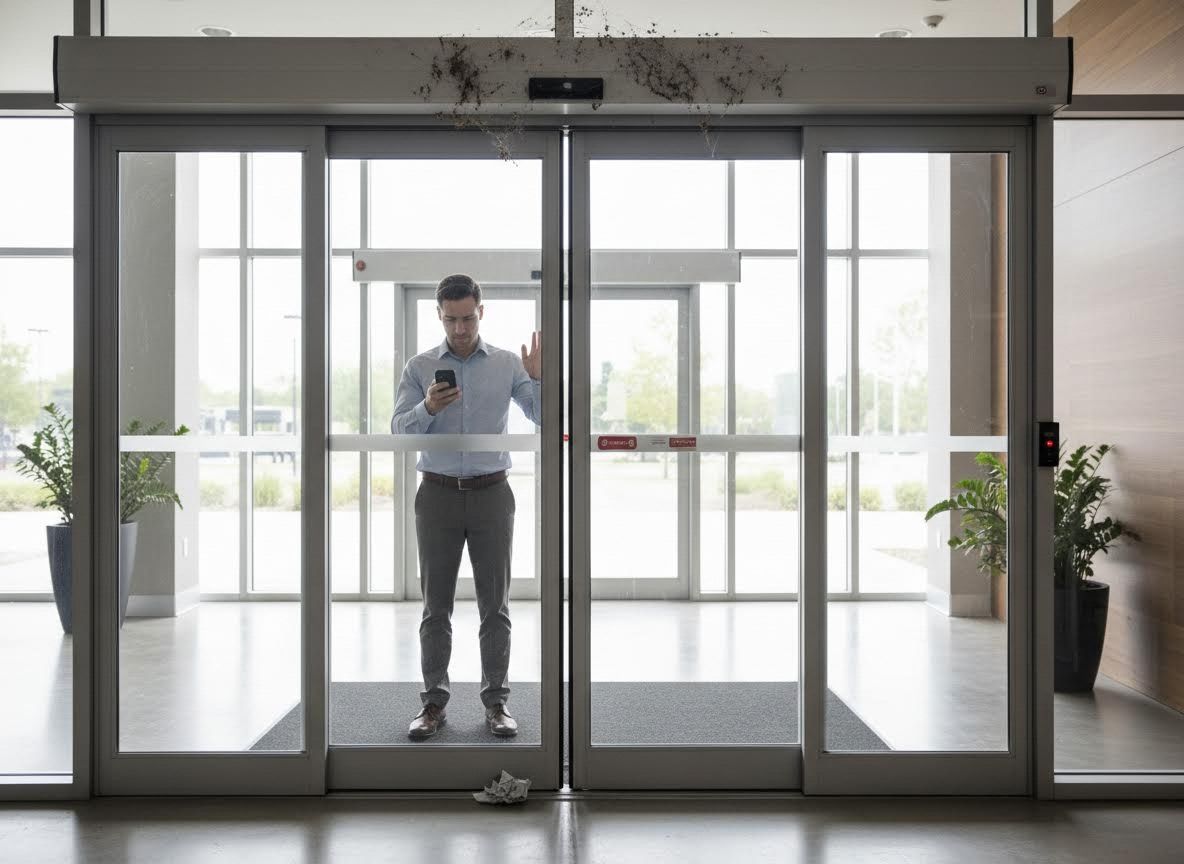
Sensor Malfunctions
The sophisticated sensors are the "eyes" and "ears" of commercial automatic doors, designed to detect motion and ensure safety. If these sensors are dirty, misaligned, or faulty, they can cause the door to behave erratically. A dirty sensor might not detect an approaching person, causing the door to stick shut, while a misaligned sensor could prematurely stop the door's closing cycle or even keep it permanently open. Issues with safety sensors, like those designed to prevent closing on an obstruction, can also lead to sticking if they falsely detect something in the door's path.
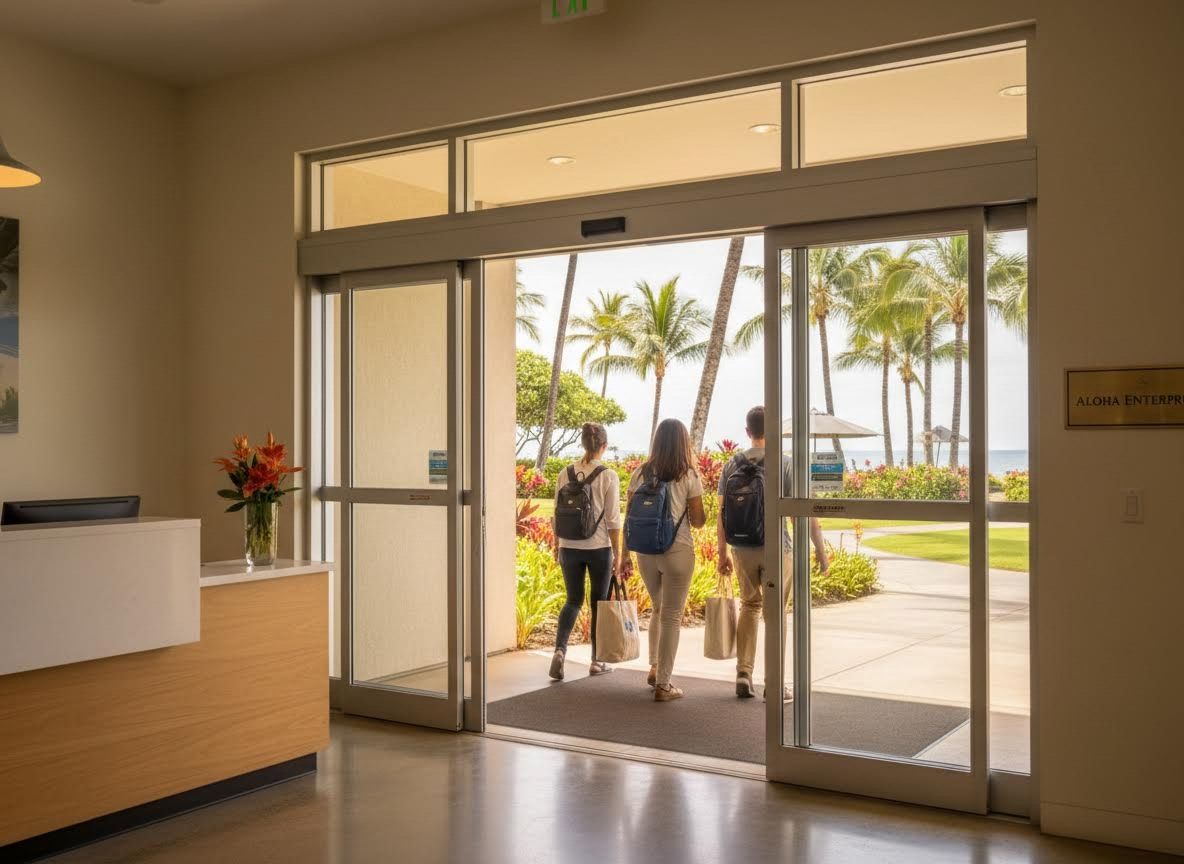
Mechanical Wear and Tear
Like any complex machinery, automatic doors are subject to mechanical wear and tear over time. Components such as rollers, belts, tracks, and the motor itself can degrade, leading to reduced performance. Worn-out rollers might not move smoothly, damaged tracks can create resistance, and a failing motor might struggle to provide adequate power for full operation. These mechanical issues often manifest as slow movement, grinding noises, or the door getting stuck in a partially open or closed position, indicating a need for Waipahu door specialists.

Power Supply and Control System Issues
Sometimes, the problem isn't mechanical or sensor-related, but rather an issue with the door's power supply or its internal control system. Fluctuations in electrical power, loose wiring, or a malfunctioning control board can disrupt the door's operation. These electrical glitches can cause a door to stick intermittently, open or close incompletely, or fail to respond to commands. Diagnosing such issues often requires specialized tools and expertise to ensure safe and effective resolution.
A sticking automatic door can disrupt operations and pose safety risks for patrons and staff alike. For reliable solutions and to ensure the longevity of your entry systems, consulting with Automatic Door Specialists is always recommended!